

Treatment
The Three Phases of Recovery
Delivering evidence-based treatment in a safe, supportive, and caring environment.
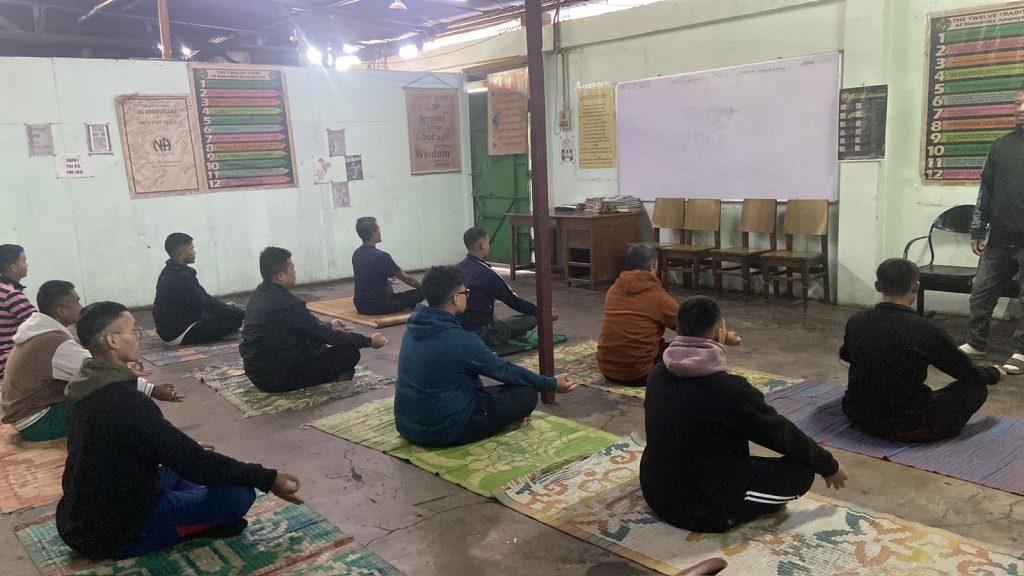
Detoxification phase
Detoxification is the initial acute stage of drug treatment. Under this phase, medically supervised detoxification is given to the patients as they are heavy constant abusers of certain drugs and are likely to experience withdrawal complications. Withdrawal symptoms that can develop after stopping the use of a drug also varies according to the type of drugs the person had used. Some general symptoms include craving for substance, anxiety, restlessness, irritability, insomnia and impaired attention. The main goal of detoxification is to achieve withdrawal in a safe and comfortable manner.
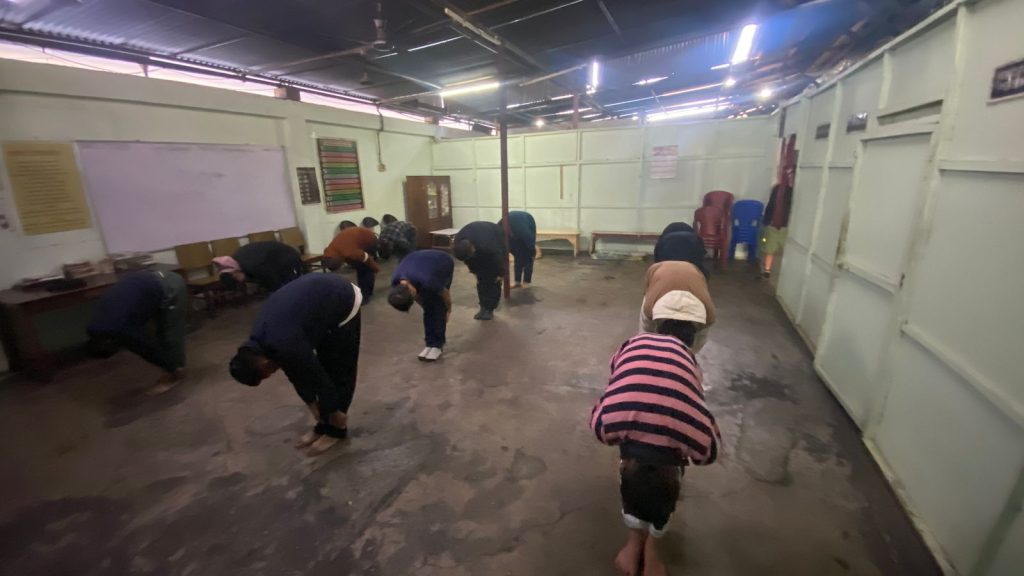
Rehabilitation phase
It is a phase where the patient maintains a stable period. They get the facility of regular health check-up, psychological counseling and reeducation sessions for the stabilisation of both physical and psychological aspects. This program is designed to help change the behavioral pattern to enable them to regain control of their urge to use substance abuse. Here, we will be able to see the improvement of the patient in the physical, mental, emotional and spiritual aspects.
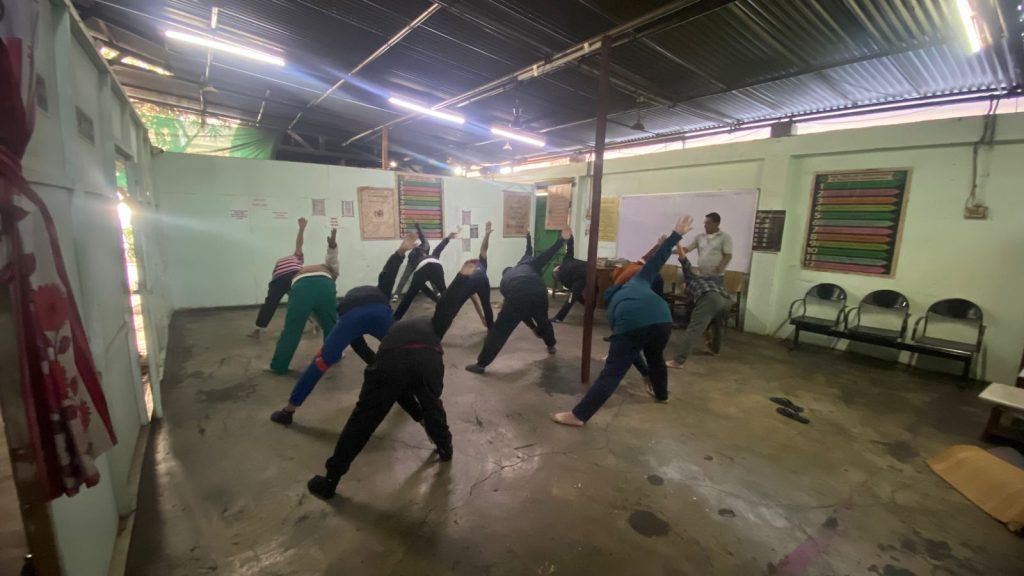
Aftercare phase
Aftercare is a stage of the treatment process after the completion of the full course treatment and rehabilitation program. This phase is also known as a Trial phase as the patient is made to work the program without instructions from anyone. Here, they're offered the opportunity of visiting home, attending NA meetings and observing daily practices. This phase is limited to a month or substantially longer. It is based on the intention of providing ongoing support to clients at the level required to maintain the earlier benefit and goals.
Since the patients are going through withdrawal symptoms, additional efforts and works are implemented for them to cope with the discomfort more efficiently. During their stay, plans for treatment and rehabilitation are discussed with the patients. Our Inpatient treatment program follows a well structured order for the best efficiency. And, during the process of this rehabilitation program, a supportive family and community environment is needed for effective recovery of the patient.
Plans and Programs
Registration
All patients receiving the treatment plan should be registered, where each of them will be given a registration number. This is to keep a record of the patient to monitor and evaluate the process
Treatment Plans and Programs
Addiction treatment comes with various implications and requires consistent care as addiction can cause both psychological and physical disorders. So, in order to treat them fully and properly, first they need to break free from the cycle of addiction. The treatment for drug abuse is still a developing process and is in a state of refinement even today. With many service providers trying to tackle the problems of substance abuse, it has become crucially apparent to look at the services provided to the patients and the quality of the treatment they’re receiving. A qualitative assessment for the treatment program on a regular interval is necessary to see whether the treatment is effective or not.
The first step towards recovery is the acknowledgement of the addiction problem by the abuser that they need help. Once they recognize the negative impact, a wide range of treatment options are available. Treatment plans depend on the state of the individual. For some patients the treatment may last a long period of time. The treatment depends on the type of addiction disorder, the type of substance they had abused, the length and severity of substance use and its effect on the individual. None or one of the treatments for addiction is applicable for every person. Some common involvement with the treatment includes a combination of inpatient and outpatient programs, psychological counseling, self-help groups and medication. Yaipokpa The Rehabilitation and Child Care Center not only treats substance abuse but also provides treatment for mental disorders associated with the substance abuse by medically certified psychologists and respective doctors. Some of the common disorder that stems from substances are as follows:
- Chronic Depression
- Anxiety Disorders
- Bipolar Disorder
- Schizophrenia
- Psychosis
- Post Traumatic Stress Disorder
- Attention Deficit/Hyperactivity Disorder(ADHD)
Inpatient Treatment
The duration of an inpatient treatment depends on the individual needs of the patient. Here, efforts are made for recovery and changes in the attitude and behavior towards the use of drugs. Services made available under this are:
- Assessment of doctors
- Availability of nursing care
- Emergency care
- Psychological interventions
- Medicines
- Diet
- Facility to meet visitors during the specified visiting hours
- Access to facilities for recreation
- Intensive Daily Routine
And since the patients are going through withdrawal symptoms, additional efforts and works are implemented for them to cope with the discomfort more efficiently. During their stay, plans for treatment and rehabilitation are discussed with the patients. Our Inpatient treatment program begins with a minimum of three months course that follows a well structured order for the best efficiency.
Diet and Nutrition
Drug abuse does a lot more damage to the body and the immune system than we might expect, inevitably increasing the risk of catching diseases and developing long term irreversible sickness. Drug abusers most of the time lose whatever they eat through vomiting and diarrhea, on top of that they usually consume less food and resort to eating unhealthy junk food. Daily consumption of junk food is quite unhealthy as they don’t contain the required nutrients our body needs and addition to that substance abusers normally consume less food than usual which damages their internal organs and drugs and alcohol also decrease the guts ability to absorb nutrients properly. Studies have shown that around 88% of people in active substance abuse have poor diet and appetite overall. Even if a person eats a healthy diet during the time of drug abuse, it won’t benefit much as a lot of the nutrients are used in detoxifying the body. With poor diet and malfunctioned guts system, any abuser exposed to such conditioned for a period of time is bound to develop health complication later on as nutrients like vitamin.
Having a rich diet is essential in recovery as it gives all the required ingredients to heal the body and provide energy. During the stage of Detoxification, our body requires more nutrients than usual in order to heal the body, so it becomes highly crucial to eat diet rich in carbohydrates, vitamins, protein and minerals which are abundantly found in legumes, vegetables, roots and fruits, etc. as these nutrients will properly aid in repairing the damage organs and maintaining the serotonin level of the body, a hormone produced in brain that affects a person’s mood.
Lack of carbohydrates can create anxious thoughts, irritability, and may even induce episodes of depression. Vitamins are also similarly important to improve the immune system and as well as in the detoxification process. Proteins help build back the damaged cells in the body and sustain body mass. Lack of minerals in the body like zinc, magnesium and calcium can also cause mood swings so they are needed as well.
Yaipokpa The Rehabilitation Centre incorporates daily consumption of a rich carbohydrates diet through rice and lentils(dal ) as legumes are known for being rich in complex carbohydrates and protein. Since, it is recommended by the experts to have shorter meals, short meals like tea and snacks are given between lunch and dinner time.
Intensive Daily Routine
Having a well programmed routine is highly important during recovery as it keeps the mind busy. It teaches our body a new healthy behaviour pattern and learns to break off from the old and compulsive habits. Upon developing healthy habits and getting accustomed to a new schedule, a patient’s mind becomes more open and hopeful. It encompasses various activities from recreation to productive creation. Being provided with a meaningful routine, an abuser undergoes mental changes and feels a sense of purpose.
Most of the substance abusers during the period of abuse eventually end up developing unhealthy habits and coping mechanisms, untimely eating, binge eating, daily consumption of junk foods which are hard to come off.
Bad habits which were accumulated over the course of time can be notoriously hard to battle and without a proper routine, our body will conform to the old behavioural patterns. So the secret of developing new healthy habits is not to try to break off old habits but rather focus on building the new habits, as with time the old compulsive behaviour pattern will be replaced with the new ones. Some of the unhealthy habits which are mostly common among the substance abuser are sleeping habits, eating habits, personal hygiene etc.
Having too much time on hands is also a sign of a poor framework of time management as that can further cause restlessness and boredom which affects the mental state and in that state it is very easy to resort to the old habits and relapse too which is why a well structured routine is highly essential.
Apprenticed to a properly structured daily routine which keeps them engaged and involved most of the time with enough intervals and recreation time, patients are able to cope with withdrawal symptoms and heal effectively. This also gives them a sense of purpose and responsibility which affects them as an individual nurturing their overall personality and discipline.
OutPatient Treatment
Here, they are taught to engage with responsibilities and adapt to a new independent life without ongoing substance use. It includes advice on finding work, handling finances, pattern formation, values of life, priorities and responsibilities etc. They are allowed to perform their own individual life in their own free will without any restraint from the institution. This allows them to face a challenge on their own both mentally and physically, setting up stage for further healing. They provide the connection between a person’s stages of recovery and community support services.
Outpatients are less restricted than inpatients as they are allowed to connect with the outside world and to carry on with their jobs and responsibilities and During the treatment, outpatients are permitted to visit home 2-3 times in a week. However, They are bound to a structured routine especially made for them which include counseling, meetings, checkup and drug abuse education.
Medication
Medication is given on a regular basis when recovering from a substance-related disorder and it’s related complications. The medication given to a patient varies according to the substance the patient is addicted to. Since medication alone cannot be considered a complete treatment for addiction it is accompanied by other treatment methods like psychotherapy. However, Yaipokpa’s patients mostly consist of adolescents and children under 18, medication is only prescribed by the medical officer when critically necessary to avoid unnecessary health complications later on.
For patients with mental health issues or for patients with certain high risk infectious diseases like HIV, HEPATITIS, etc – related doctors are consulted and medicines are prescribed.
Psychological Intervention/Counseling
Outpatient and Inpatient treatment are given in this facility in group or in individual settings and family members are made to involve as much as possible. Some of the psychological services available are :
- Motivational Enhancement Therapy
- Cognitive Behavioral Therapy
- Reduction of high risk behavior
- Brief interventions
- Relapse prevention
- Counseling for occupational rehabilitation
- Family Counseling/Individual Counseling
Motivational Enhancement Therapу (МЕТ)
Behavior Motivation enhancement goes along with CBT sessions, it allows the individual to identify and improve their destructive behaviors as people with destructive behavior often feel less motivated to improve upon oneself and requires an external advocacy. The main objective of MET is to make the individual want to overcome their ambivalence in behavior change, so that they can change their destructive behavior which may be hindering recovery.
Cognitive Behavioral Therapy (CBT)
CBT is a well known and effective treatment for anxiety disorders and many other mental disorders. It focuses on identifying negative thought patterns which could have adverse emotional consequences and by challenging those thoughts and changing those compulsive thoughts and thinking patterns to more realistic and healthy responses.
CBT techniques consist of many behavioral techniques and strategies that are taught to the patient to help them overcome the negative thoughts and emotional responses. Some techniques include introspection, facing one’s own fears, role playing, relaxation methods etc.
Relapse Prevention Plan
Having a Relapse Prevention Plan is a very crucial tool for anyone in recovery and to tackle the challenges that come during the period of sobriety, it can be emotional relapse, mental relapse or physical relapse induced by triggers or memories or even environments. According to the National Institute on Drug Abuse, more than 40% of drug abusers eventually relapse, so it is extremely important to be equipped with a well-sorted knowledge and tactics to tackle relapse triggers. Not only that relapsing is bad but it destroys the patient’s will power to resist it again and affects the mental state heavily.
Family Counseling/Individual Counseling
Yaipokpa The Rehabilitation and Child Care Centre puts a special emphasis on the importance of family counseling, after completing the intensive treatment the patient has to come back home one day and live among people normally, so it is highly vital for the family to create a welcoming environment that nurtures compassion and understanding. The Role of the family will contribute greatly upon the success of the patient’s recovery and in long term consistency. Encouragement and empowerment will benefit the patient’s ability to manifest will power and endurance performance. A lack of love and support from the family can have detrimental effects on the patient’s psychology and may even induce depression and suicidal tendencies at worst.
Yaipokpa also provides individual counseling of both family and the patient separately as well as collective counseling that includes both family and patient in a single session. Counseling sessions are also available when needed anytime. These interventions can help patients change their behaviors and attitudes towards the use of substances and also strengthens life skills.
Emergency Services
Emergency services are provided for those experiencing acute intoxication/ overdose, adverse drug reaction, etc. in the area or nearby. Patients in the addiction center facing pain and agony expecting immediate treatment and solace at any hour or day, too, are provided with this service.
Laboratory Services
Laboratory services are incorporated with a general Hospital. Facilities made available under this service are:
- HIV screening
- LFT/KFT
- Chest X-Ray
- Нер - C/ Hep - B test
- Ultrasound abdomen, urine screening for drugs (if needed)
- Mental check up